TNZ Accounting Blog
Accounting and Financial Insights for Growing Businesses
Practical guidance on accounting, bookkeeping, GAAP, financial planning, and fractional CFO services for startups and growing companies.
Early-Stage Bookkeeping and Why It’s Critical for Startup Success
For many early-stage companies, bookkeeping is often treated as an afterthought. Founders focus on product development, sales, fundraising, and hiring, while financial organization gets pushed to the bottom of the list. Unfortunately, this approach can create serious problems down the road. Early-stage bookkeeping is not just about tracking expenses or filing taxes. It is the foundation for financial clarity, investor readiness, and long-term scalability. Getting it right from the beginning can save startups time, money, and stress as they grow.
What Is Early-Stage Bookkeeping?
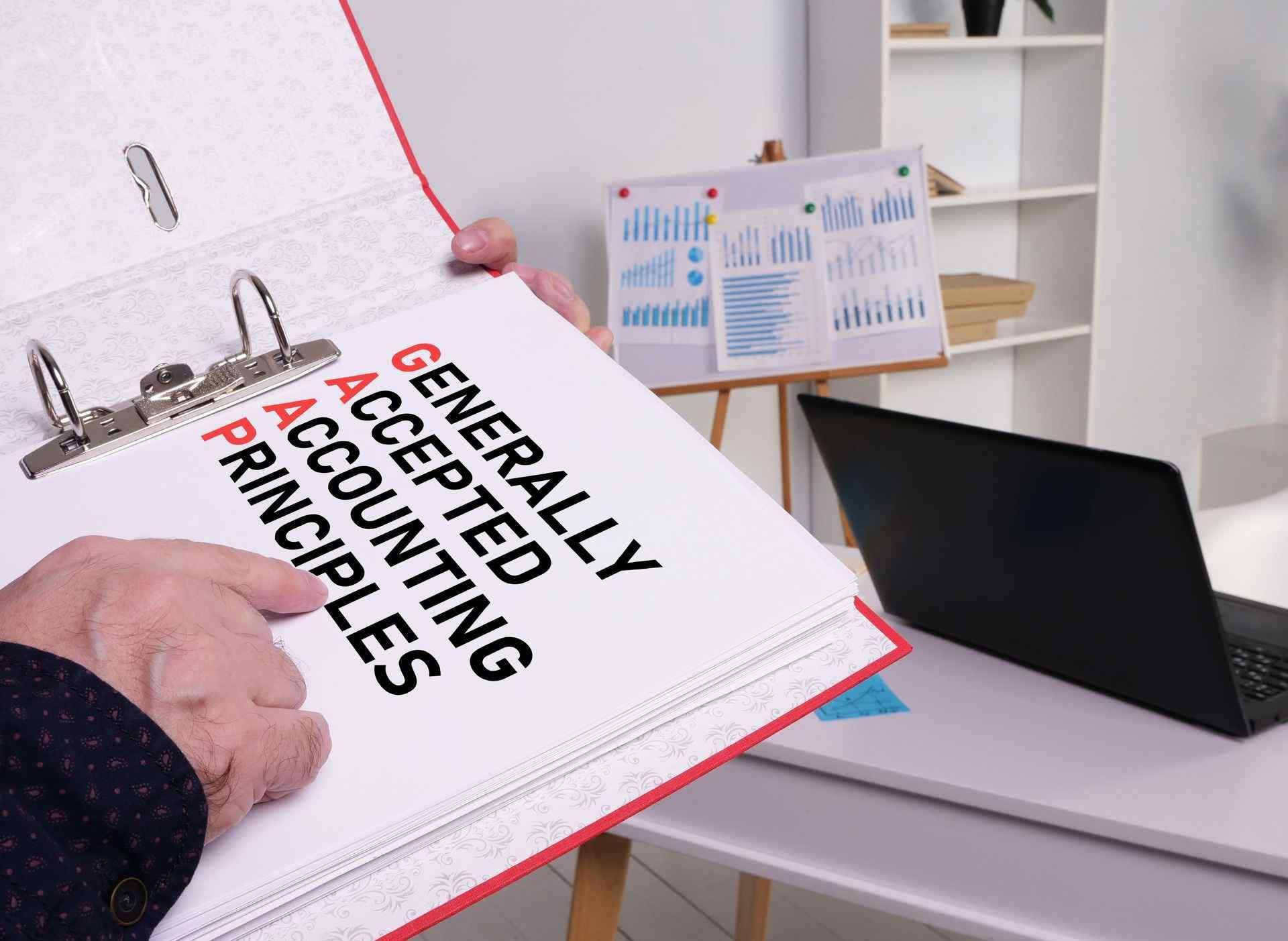
Early-stage bookkeeping refers to the process of recording, categorizing, and reconciling financial transactions during a company’s initial phases, typically pre-revenue through early growth. This includes tracking income and expenses, managing bank and credit card reconciliations, organizing receipts, and maintaining accurate financial records. At this stage, bookkeeping should also begin aligning with GAAP-compliant accounting practices, even if full GAAP reporting is not yet required. This ensures financial data is reliable and can easily transition into more advanced accounting and reporting as the business scales.
Why Early-Stage Bookkeeping Matters
Many startups assume they can “clean things up later.” In reality, retroactive bookkeeping is expensive, time-consuming, and risky. Here are the key reasons early-stage bookkeeping is so important.
Financial Visibility and Better Decision-Making
Accurate bookkeeping provides real-time insight into how your business is performing. Founders can clearly see cash burn, operating expenses, gross margins, and runway. Without this visibility, decisions are often based on assumptions instead of data.
When your books are current and accurate, you can:
• Understand where money is being spent
• Identify unnecessary costs early
• Forecast cash flow with confidence
• Make informed hiring and investment decisions
This clarity is especially critical in the early stages when cash is limited and mistakes are costly.
Investor and Fundraising Readiness
Investors expect clean, well-organized financials, even at the seed stage. Sloppy or inconsistent bookkeeping is a red flag that signals poor financial discipline and operational risk.
Strong early-stage bookkeeping allows startups to quickly produce:
• Income statements and balance sheets
• Cash flow summaries
• Historical financial trends
• Data to support financial projections
Having these reports readily available speeds up due diligence, builds credibility, and can significantly improve fundraising outcomes.
Tax Compliance and Risk Reduction
Early-stage companies often underestimate their tax obligations. Poor bookkeeping can lead to missed deductions, incorrect filings, penalties, and unexpected tax bills.
Proper bookkeeping helps ensure:
• Accurate tracking of deductible expenses
• Clean separation of business and personal finances
• Timely preparation for income, payroll, and sales tax filings
• Reduced audit risk
When bookkeeping is done correctly from day one, tax planning becomes proactive instead of reactive.
Scalability and Systems That Grow With You
Startups grow fast, and financial systems must keep up. Early-stage bookkeeping sets the foundation for scalable accounting processes. Without it, growth often exposes weaknesses such as inconsistent categorization, missing documentation, and unreliable reporting.
By establishing structured bookkeeping early, companies can:
• Transition smoothly to accrual accounting
• Integrate payroll, invoicing, and expense tools
• Support multi-entity or multi-location growth
• Prepare for CFO-level reporting when needed
This makes scaling far less disruptive and significantly reduces future cleanup costs.
GAAP Alignment From the Start
While many early-stage companies operate on a cash basis initially, aligning bookkeeping practices with GAAP principles early on is a smart move. Revenue recognition, expense matching, and proper categorization are all easier to manage when built into the process from the beginning.
GAAP-aligned bookkeeping is especially important for startups planning to:
• Raise institutional capital
• Pursue debt financing
• Prepare for acquisition or exit
• Build a professional finance function
Starting with clean, structured books avoids major adjustments later.
Common Early-Stage Bookkeeping Mistakes
Founders frequently make the same bookkeeping mistakes in the early stages, including:
• Mixing personal and business expenses
• Falling behind on monthly reconciliations
• Using spreadsheets instead of proper accounting software
• Ignoring accruals and deferred revenue
• Waiting too long to get professional help
These issues compound over time and often surface at the worst possible moment, such as during fundraising or tax season.
Why Outsourcing Early Makes Sense
Outsourcing bookkeeping in the early stages allows founders to focus on growth while ensuring financial accuracy and compliance. A professional bookkeeping and accounting partner brings structure, consistency, and best practices that internal teams often lack early on.
Outsourced bookkeeping provides:
• Accurate monthly financials
• Consistent categorization and reconciliations
• GAAP-aware processes
• Clean data for CFO services and tax planning
For many startups, outsourcing is more cost-effective than hiring internally and delivers higher-quality results.
Final Thoughts
Early-stage bookkeeping is not a luxury, it is a necessity. It provides financial clarity, reduces risk, supports fundraising, and lays the groundwork for scalable growth. Startups that invest in proper bookkeeping early are better positioned to make smart decisions, attract investors, and build lasting businesses.
At TNZ Accounting, we specialize in helping early-stage companies build strong financial foundations through outsourced bookkeeping, GAAP-compliant accounting, and strategic CFO services. Getting it right early makes everything that comes next easier.